Chill Hours, Explained: The Number That Picks Your Variety
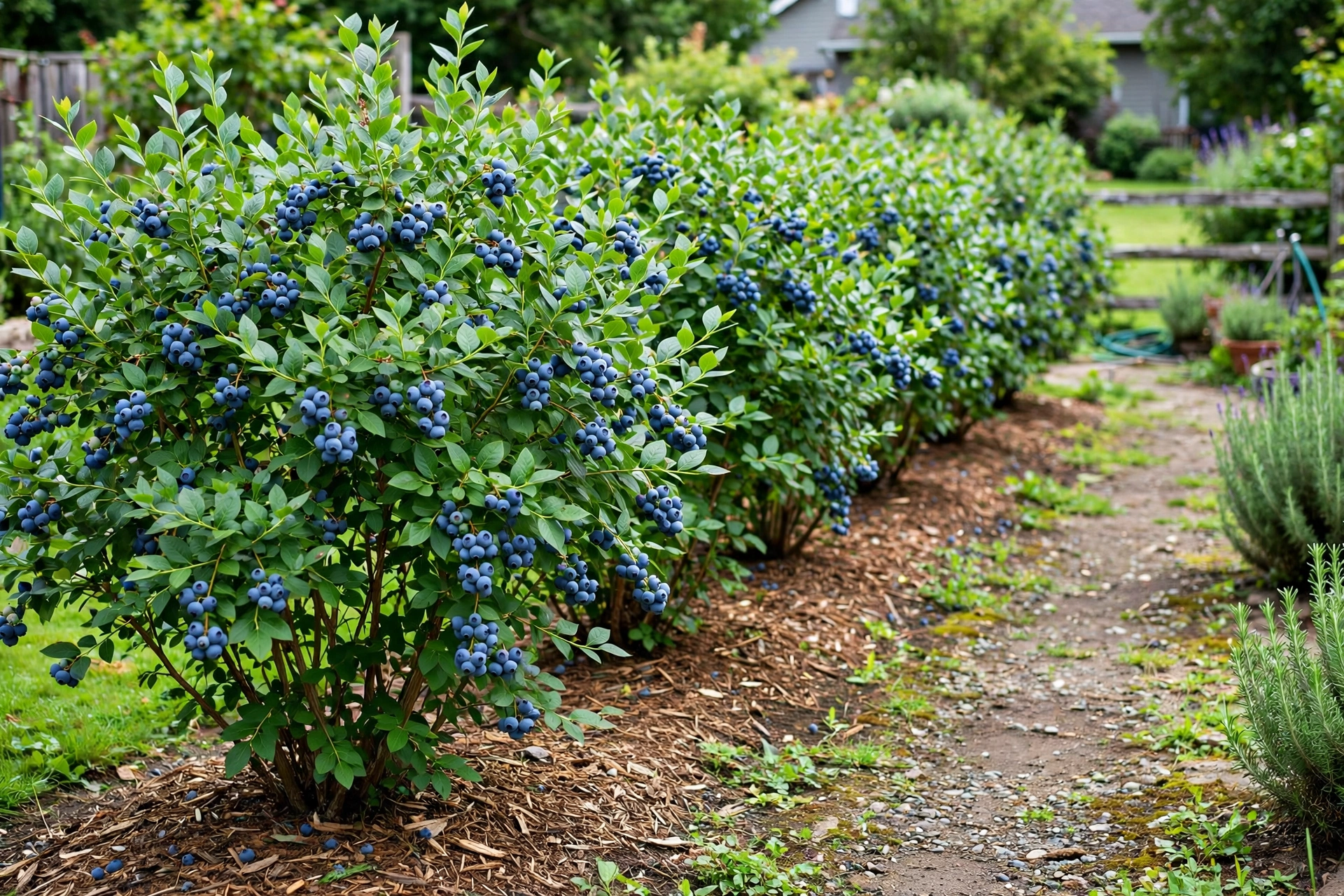
A chill hour is, in the simplest model, one hour between about 32°F and 45°F during winter dormancy. Blueberry buds need a variety-specific total before they will break dormancy evenly, leaf out fully and set a real crop in spring.
The ranges that matter
| Type | Typical chill need | Where it fits |
|---|---|---|
| Northern Highbush | 800–1,000+ hrs | Zones 3–7; the Northeast, Midwest, Pacific Northwest interior |
| Half-High | 800–1,000+ hrs | Zones 3–7; coldest gardens |
| Southern Highbush | 150–600 hrs | Zones 5–10 depending on variety; South and mild coasts |
| Rabbiteye | 350–700 hrs | Zones 7–9; the Southeast |
Too few hours looks like…
Patchy, delayed leaf-out; flowers scattered over weeks; a bush that looks permanently half-awake and fruits lightly no matter how well you feed it. It is the single most common reason southern plantings of northern varieties disappoint.
Too many isn't a problem — frost timing is
A low-chill bush in a cold climate gets its hours by January and may break bud in a warm February spell, exposing flowers to killing frosts. Match the variety to your region's typical hours — your state extension publishes local chill maps — and you avoid both failure modes at once. The Variety Finder starts from exactly this math.
Ready to choose a variety?
The Finder matches varieties to your zone, chill and space in four questions.